Evidence of Misconduct: Rusty Polinder


Representative Communications


No single screenshot tells the entire story. The examples below are drawn from more than two years of communications and illustrate recurring patterns of conduct.


They are not presented because they are the most shocking messages, but because they illustrate recurring themes documented throughout the communications, including:


* Explicit sexual conversations

* Repeated boundary violations

* Requests for secrecy

* Manipulative language

* Personal communications during normal work hours

* Communications continuing into 2024, shortly before Rusty Polinder's termination

* Statements describing enjoyment of looking into other people's windows

* Other communications discussed throughout this website


Taken together, these records allow readers to evaluate whether the communications reflected isolated lapses in judgment or a sustained pattern of inappropriate conduct.


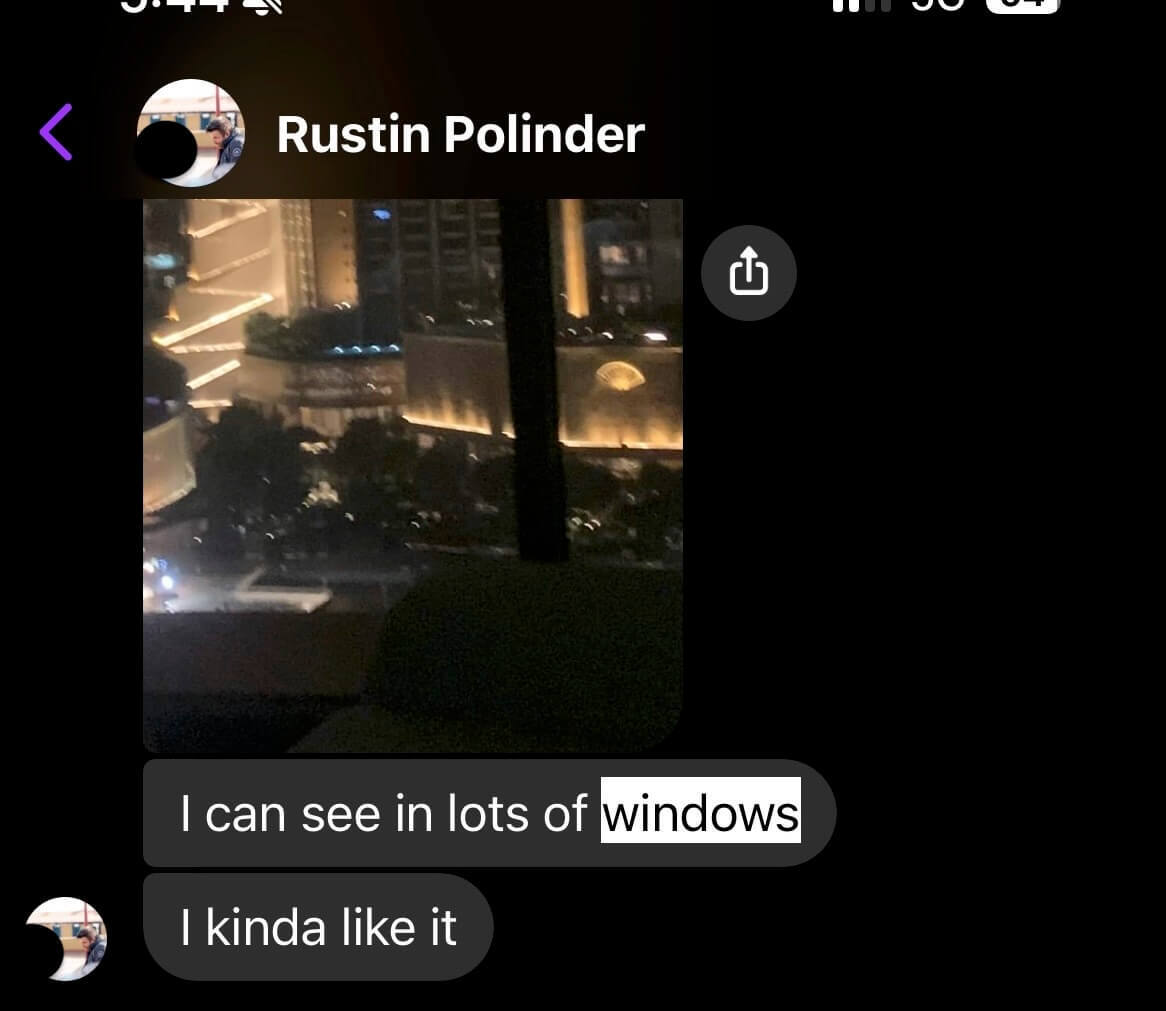
Among the communications is a message sent during a ministry trip in which Rusty Polinder shared a photograph overlooking neighboring buildings and wrote:


> I can see in lots of windows.

>

> I kinda like it.


Readers may reasonably consider whether statements of this nature should have raised safeguarding concerns for an organization entrusted with the care of vulnerable children—and whether those concerns were adequately considered before Rusty Polinder was permitted to return, even temporarily.


Several communications were sent while Rusty Polinder indicated he was at work for Kidstown International, raising additional questions about professional boundaries and the use of donor-supported ministry time.


The following communications are presented because they relate to matters of public interest involving the governance and oversight of a nonprofit organization serving children.


The following images contain explicit sexual language and descriptions of sexually inappropriate conduct that some readers may find disturbing.


This message documents an explicit reference made by Polinder regarding physical arousal during an active organizational meeting

Kidstown International Rusty Polinder says he had a big boner during his meeting

This message shows messages from Rusty Polinder during work hours.

Kidstown International Rusty Polinder asks for an office fuck
Kidstown International Rusty Polinder wants to taste her pussy
Rustin Polinder asks to fuck soon
Rustin Polinder of Kidstown  wants to fuck everyday

This image shows messages from Rusty Polinder encouraging secrecy.

Kidstown International Rusty Polinder encouraging secrecy

Disturbing comment about watching people through windows and enjoying it

Rusty admitting he likes to look into people's windows

What Did the Board Know?


The central question is not simply whether the evidence existed, but whether those responsible for organizational oversight reviewed it and acted appropriately.


These communications predate Rusty Polinder's temporary return to assist Kidstown International. 


Their existence raises important questions:


Which board members had access to the evidence?
What information was reviewed, if any?
How safeguarding concerns were evaluated before that decision?


Were You Lied To?


Did you hear that Rusty Polinder left Kidstown International so he could spend more time with his family and travel less?


It appears that Rusty told some people he resigned "so that he could be home more and travel less."


The documented record presented throughout this website raises important questions about whether others were given the same explanation.


Does Humility Lie?


Throughout this matter, humility, grace, and forgiveness have repeatedly been emphasized.


Humility is incompatible with deception, and it never removes the need for accountability.


If people were given an inaccurate explanation for Rusty Polinder's departure, readers may reasonably ask whether that reflects true humility—or something else.


Does True Humility Attempt To Remove Those Who Hold It Accountable?


If someone is truly humble, how should they respond when confronted with serious misconduct?


When organizational leaders raise concerns about misconduct, those concerns deserve careful consideration—not dismissal.


Does humility accept accountability—or try to remove the people who insist on it?


Does Forgiveness Replace Safeguarding?


Forgiveness is a foundational Christian principle.


But forgiveness does not eliminate the responsibility to protect vulnerable people or exercise sound judgment.


Should forgiveness alone justify bringing a former ministry leader back into an organization serving vulnerable children without a documented review of serious safeguarding concerns—including his statements about enjoying looking into other people's windows during a ministry trip?


How Long Did It Continue?


One question readers may naturally ask is whether these communications represented a brief episode or an ongoing pattern.


The communications reviewed for this website span more than two years and continued into 2024, shortly before Rusty Polinder's termination from Kidstown International.


A Failure of Oversight


The questions raised by these communications extend beyond Rusty Polinder's conduct.


They also concern how Kidstown International's leadership responded after the conduct became known.


How an organization responds after misconduct is reported can be just as important as the misconduct itself.


The documented record raises important questions about the information available before Rusty Polinder was briefly brought back to assist Kidstown International and the processes used to evaluate that information.


Readers may reasonably ask:


* Were appropriate safeguarding standards applied?

* Was all relevant evidence reviewed before decisions regarding Rusty Polinder's return were made?

* Should a ministry serving vulnerable children require a higher standard of due diligence before restoring a leader to a position of trust?

* What message does that decision send to donors, volunteers, whistleblowers, and—most importantly—the children the organization exists to serve?


A Final Question


If this evidence involved someone serving at your child's school, church, youth group, or missionary organization, would forgiveness alone have been enough—or would you have expected leaders to thoroughly review the evidence before restoring that person to a position of trust with vulnerable children?